Royal College of Music
Shaping the future of music education through applied performance science
Founded at the Royal College of Music in 2000, the Centre for Performance Science (CPS) is an internationally distinctive centre for music research, teaching and knowledge exchange.
The Centre uses the latest scientific approaches to examine how performance is learned, taught, executed and evaluated, as well as the impact of music and the arts on society. As the first centre of its kind in a conservatoire, the CPS is alert to the mission and purpose of conservatoire training and to the demands of the music profession.
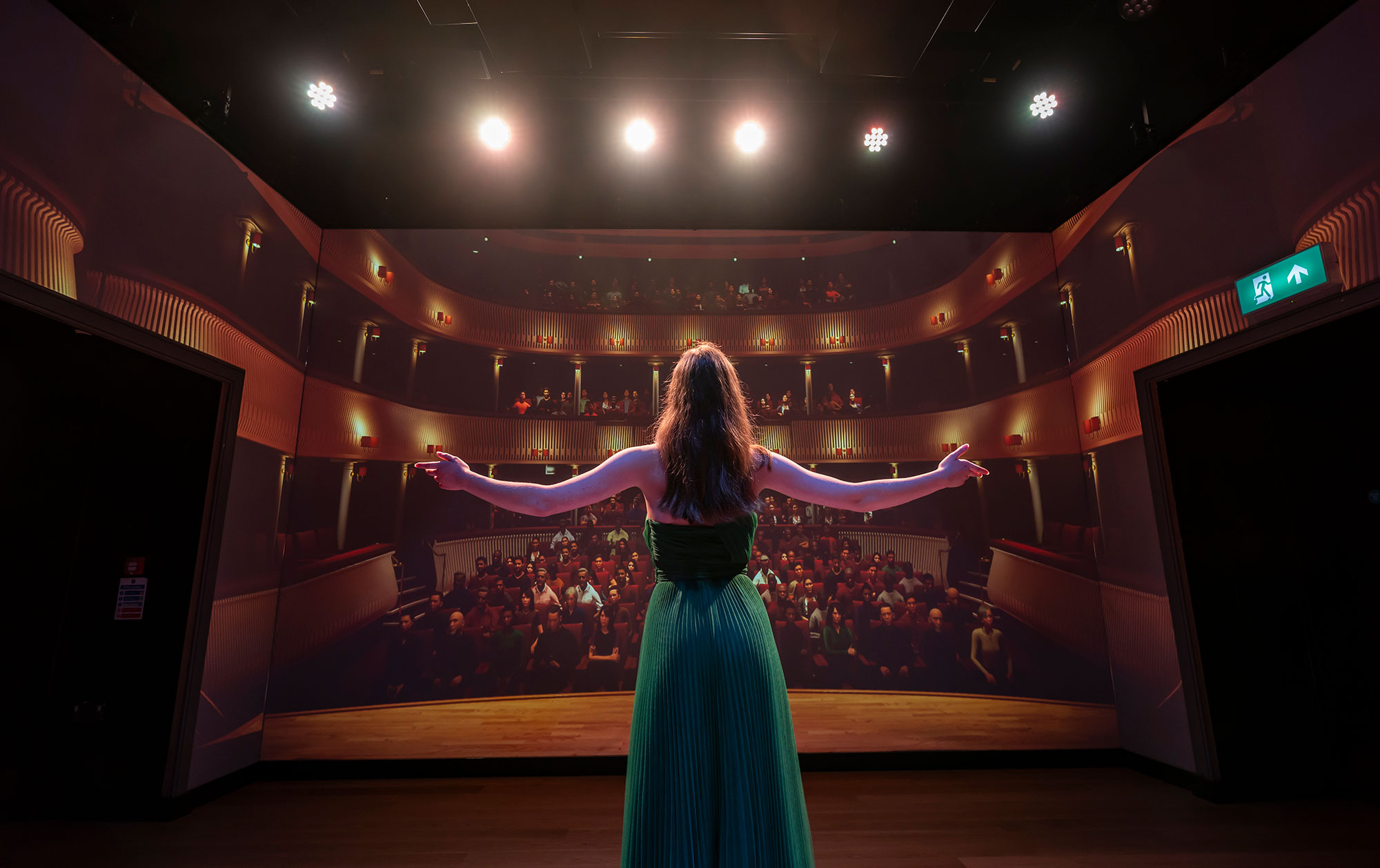
As such, Royal College of Music performance scientists have spearheaded a suite of research-informed innovations that have expanded and enhanced music education and performance training within, and well beyond, the College.
The Centre aims to capture and disrupt ways of thinking about performance practice that cut across domains. Researchers examine performance not simply as the execution, to the highest standard, of a violin partita or orchestral masterpiece, but the whole range of embodied, and frequently tacit, everyday practices that enable progress in all aspects of human endeavour.
The CPS is uniquely positioned to undertake this activity, with partnerships spanning the arts, medicine, engineering, natural sciences and business. By understanding how skilled performers meet the challenges of their work, often under intense stress and public scrutiny, performance can serve both as a source of inspiration and as a rich resource for investigation.
Throughout its 25 years, the Centre for Performance Science has led interdisciplinary teams from across the arts and sciences, pioneered new undergraduate and postgraduate courses and delivered arts-science exchanges at an international level. Its innovative – and often unconventional – perspectives and partnerships have shaped higher education in music and continues to advance performance training.