The Institute of Cancer Research, London
Global leadership in radiotherapy research
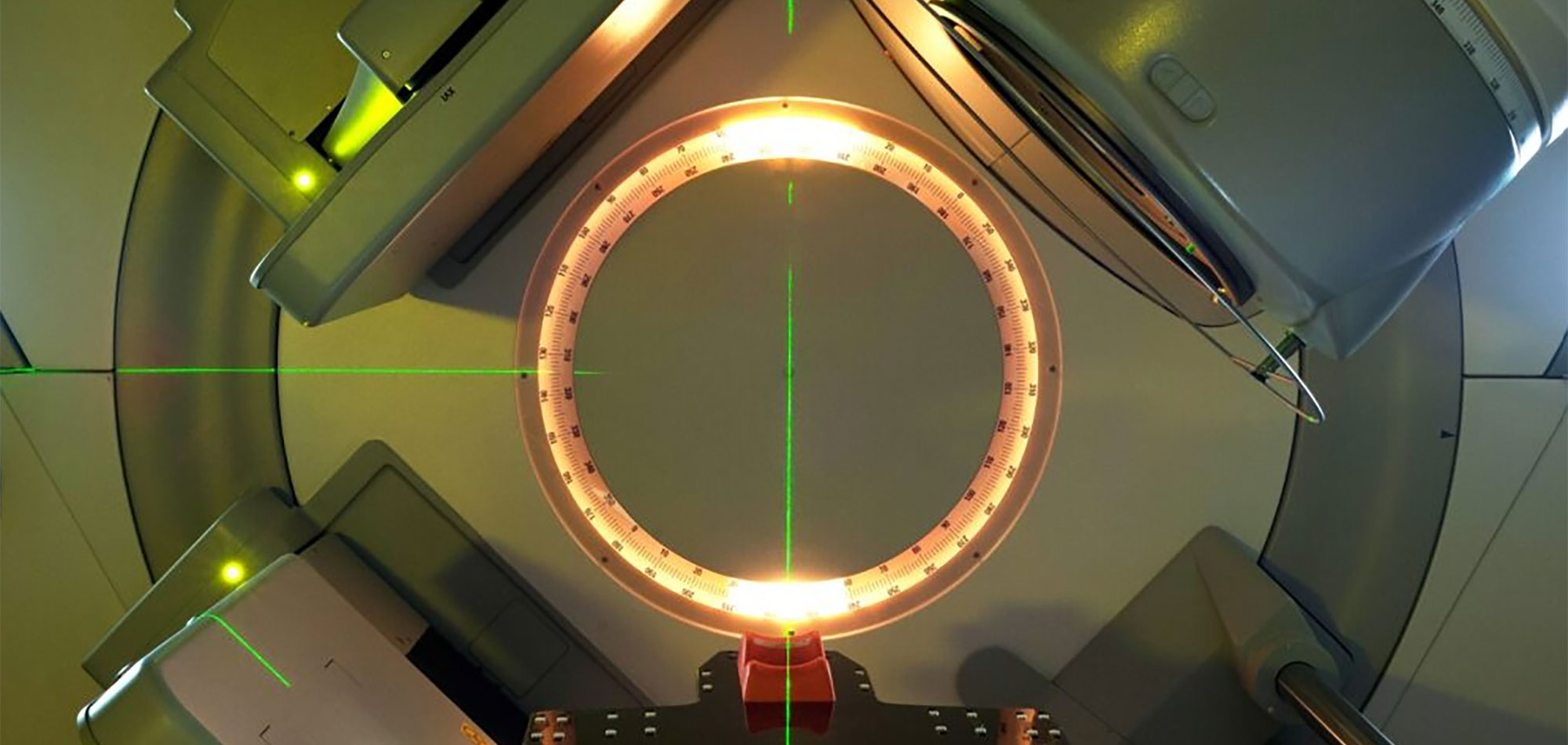
Radiotherapy is a crucial cancer treatment that uses controlled, high doses of radiation to kill cancer cells. More than half of cancer patients receive radiotherapy, contributing to nearly half of all cancer cures. However, it can cause side effects by harming healthy tissue and does not always result in a cure.
For decades, The Institute of Cancer Research, London, has developed and advanced radiotherapy techniques that are both kinder and more effective by integrating biological and medical physics research with clinical practice. This is achieved through a unique partnership with The Royal Marsden NHS Foundation Trust and the wider NHS.
ICR-led radiotherapy research has improved survival and quality of life for cancer patients in the UK and globally, while also delivering significant economic benefits to the NHS and other health systems. Life-changing radiotherapy discoveries at the ICR include:
- Pioneering the development of high-precision radiotherapy techniques that target tumours while sparing healthy tissue
- Leading the development of intensity-modulated radiotherapy (IMRT) and stereotactic body radiotherapy (SBRT), groundbreaking techniques that have become the global standard of care
- Enhancing the patient experience and improving the effectiveness of treatment by using IMRT and SBRT to deliver prostate cancer radiotherapy at higher doses but with fewer treatments
- Advancing image-guided and adaptive radiotherapy where magnetic resonance image scanning is combined with state-of-the-art radiotherapy to deliver precise real-time targeting of the tumour
- Investigating combinations of radiotherapy and cancer drugs to boost treatment effectiveness
The ICR’s success stems from a collaborative approach delivered by a diverse, multidisciplinary team, enabling smooth transitions from lab research to clinical trials. This is supported by strong hospital and academic partnerships, and sustained funding from Cancer Research UK, UKRI, NIHR and others.